
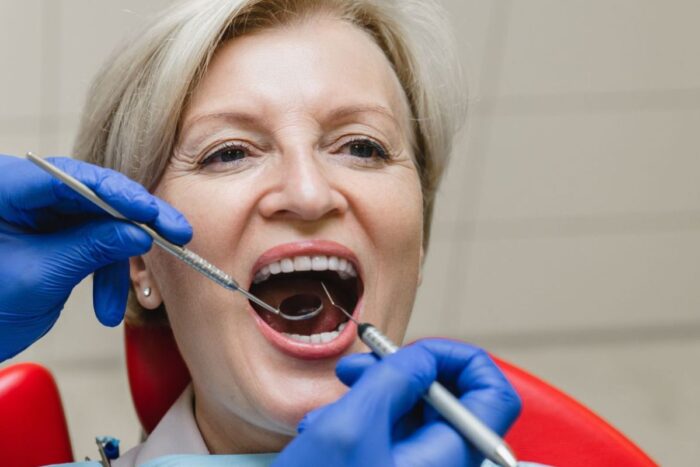
Dental anxiety is far more common than most people realize — and for many individuals, it can be the reason they avoid essential dental appointments altogether. Whether the fear stems from a past unpleasant experience or simply the unknowns of clinical procedures, anxiety surrounding dental care can impact long-term oral health. The good news is that with the right mindset and preparation, it is absolutely possible to feel calm, confident, and in control before visiting a dentist.
This article explores effective psychological strategies, preparation techniques, and mindset shifts that can help you overcome dental anxiety naturally and sustainably.
Understanding the Root of Dental Anxiety
For some individuals, dental anxiety is triggered by fear of pain. Others might be uncomfortable with clinical sounds like the drill — or perhaps you worry about judgment from your Manassas dentist. There is no single cause, and acknowledging where your anxiety stems from is the first step.
Common triggers include:
-
Negative past experiences
-
Sensitivity to sounds or sensations
-
Fear of needles or numbness
-
Loss of control while seated in the dental chair
-
Anxiety or embarrassment about a dental condition
Recognizing the trigger provides direction for taking meaningful action.
Start With Gradual Exposure
Avoiding appointments may seem like a short-term relief, but it often reinforces fear. Instead, practice low-pressure exposure:
-
Schedule a simple checkup or consultation instead of a treatment
-
Visit the clinic environment just to get familiar with the surroundings
-
Sit in the chair without undergoing any procedure (some patients request this)
-
Start by discussing your concerns openly with the dentist in Manassas
This step-by-step exposure helps your mind recognize the environment as safe rather than threatening.
Build Trust by Communicating Early
Open communication is one of the most effective anxiety-reducers. A truly patient-centered dentist understands that comfort and trust come before any clinical care. Before your visit:
-
Explain your fears honestly, even if they feel small or embarrassing
-
Request explanations before every step is taken
-
Agree on a signal (like raising your hand) if you need a pause
-
Ask what sensations you might expect, so nothing feels like a surprise
When you feel heard, anxiety naturally lowers.
Use Proven Psychological Techniques
Several mental techniques can help regulate your body’s stress response before or during dental appointments:
1. Controlled Breathing
Slow breathing through your nose — inhaling for four seconds and exhaling for six — naturally activates the calming part of the nervous system.
2. Visualization
Picture a calm setting like a quiet beach, forest, or familiar safe space. Anchor your thoughts to that instead of the sounds around you.
3. Distraction Tools
Request to listen to music or a podcast to shift your focus. Some patients even squeeze a stress ball or quietly count backward from 100.
4. Positive Reframing
Instead of thinking “something will go wrong,” consciously remind yourself — “I am taking this step to protect my health. I am in control.”
Arrive Prepared and Grounded
What you do before the appointment matters. Avoid rushing. Arrive early and prepare your body and mind:
-
Eat a light meal to prevent dizziness or low blood sugar
-
Avoid caffeine, as it may heighten anxious symptoms
-
Practice breathing before entering the clinic
-
Bring a trusted friend or family member if it brings emotional reassurance
Small habits like these help you enter your appointment with balance and confidence.
Choose a Patient-Centered Dental Environment
A modern dental clinic with a reputation for compassionate, anxiety-aware care can make all the difference. Look for a practice that emphasizes communication, comfort accommodations, and a personalized approach rather than a one-size-fits-all experience. A calm dental team that respects your pace helps you rebuild long-term confidence.