
The words “root canal” have a way of making patients tense up. For many adults in Manassas, the fear is rooted in outdated stories about painful procedures or childhood dental experiences. Others assume that if a tooth is badly infected, extraction is the only solution. In reality, modern dentistry is designed to relieve pain, not cause it — and preserving your natural teeth is often the healthiest long-term option.
When patients need root canal therapy, they are often surprised at how straightforward and comfortable the process is. The procedure focuses on removing infection inside the tooth, cleaning the area thoroughly, and sealing it to prevent future problems. For most people, treatment is completed in just one visit using local anesthesia.
Why Infected Teeth Hurt So Much
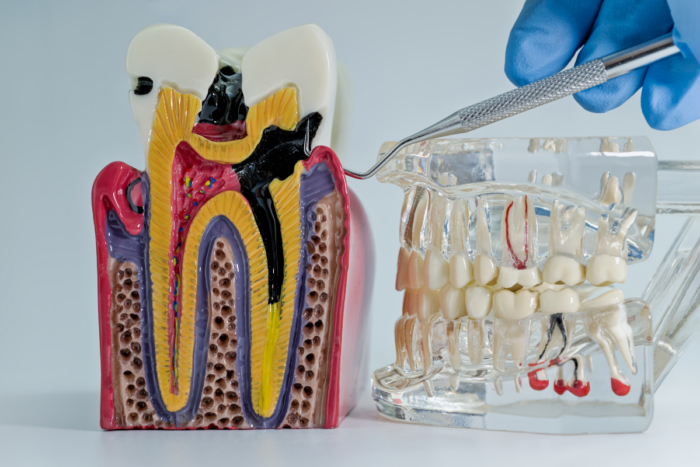
Inside each tooth is a soft tissue called pulp. This pulp contains nerves and blood vessels that help the tooth grow and develop. When deep decay, cracks, or trauma allow bacteria to reach this inner layer, infection can occur.
Because the pulp is enclosed within hard tooth structure, inflammation creates pressure that has nowhere to go. This pressure is what causes the throbbing, persistent pain many patients feel. The treatment itself removes the infected tissue — eliminating the source of the pain.
Step-by-Step: What Actually Happens During the Procedure
Understanding what happens during treatment can ease much of the anxiety surrounding it.
Numbing the Area
The first step is ensuring comfort. A local anesthetic is carefully administered to fully numb the tooth and surrounding tissue. Most patients feel little to no discomfort during the procedure. For those who experience dental anxiety, comforting options may be discussed to promote relaxation.
Creating a Small Access Opening
Once the area is numb, a small opening is made in the back of the tooth. This allows access to the infected pulp inside the root canals.
Removing the Infected Pulp
Using specialized instruments, the diseased tissue is gently removed from within the canals. This step eliminates bacteria and inflamed tissue responsible for the pain.
Cleaning and Disinfecting the Canals
After removal of the infection, the canals are carefully cleaned and disinfected to reduce the risk of reinfection.
Filling and Sealing the Tooth
The space inside the tooth is then filled with a biocompatible material that seals the canals. This stabilizes the structure and protects it from future bacterial invasion.
Strengthening the Tooth With a Crown
Because the inner pulp has been removed, the tooth can become more brittle over time. In many cases, Dr. Hassan recommends placing a custom dental crown over the treated tooth to restore strength and function. This helps preserve the natural tooth and prevents fractures.
Is a Root Canal Painful?
This is one of the most common questions patients ask. The truth is that modern techniques and anesthesia make the procedure comparable to receiving a filling. In many cases, patients feel immediate relief once the infected tissue is removed.

Anxiety is also a real and valid concern. Choosing an experienced dentist who prioritizes patient education and comfort can significantly improve the experience. Dr. Hassan completed Advanced Education in General Dentistry at the University of Rochester Medical Center Eastman Institute after earning his Doctorate in Dental Surgery from Virginia Commonwealth University. His additional training, combined with a patient-driven approach, allows him to treat complex cases conservatively while ensuring patients feel informed and at ease.
One patient shared:
“I absolutely love the staff and the doctor! It’s always smiles and good humor coming in. I have high anxiety from a childhood traumatic experience. The staff and doctor takes that into account and does everything to make me feel comfortable. All of my procedures have been painless, including root canals. I will only come to this office. I highly recommend this office.” – Sam O.
Experiences like this reflect how modern dental care can be both effective and compassionate.
Why Preserving the Natural Tooth Matters
Whenever possible, saving your natural tooth is preferable to removing it. A treated tooth maintains your bite alignment, supports neighboring teeth, and avoids the need for more complex procedures like extractions and dental implants.
Root canal treatment is considered a conservative option for advanced decay because it removes the infection while maintaining the overall structure of the tooth.
What Recovery Is Typically Like
After treatment, mild tenderness is possible for a few days, especially when chewing. This discomfort is generally far less intense than the original infection pain and can often be managed with over-the-counter medication.
Most patients return to normal activities the same day. Once a crown is in place, the tooth typically functions just like your other teeth.
Delaying care, however, can allow infection to spread deeper into the jaw or surrounding tissue. Early evaluation helps prevent complications and protects long-term oral health.
If you are experiencing persistent tooth pain in Manassas, scheduling a professional evaluation can help determine whether infection is present and what treatment may be appropriate. Addressing the issue early can relieve discomfort and prevent further complications.
Frequently Asked Questions
1. How do I know if I need this procedure?
Signs may include severe tooth pain, lingering sensitivity to hot or cold, swelling near the gums, or darkening of a tooth. An exam and X-rays are needed to confirm infection.
2. Is the procedure really painless?
With modern anesthesia, most patients report little to no discomfort during treatment. The procedure is designed to relieve pain, not cause it.
3. How long does it take?
Many treatments can be completed in one visit, depending on the complexity of the infection.
4. Will I need a crown afterward?
In many cases, yes. A crown protects and strengthens the treated tooth, especially molars that endure heavy chewing pressure.
5. What happens if I wait too long?
Delaying treatment can allow the infection to worsen, potentially leading to increased pain, swelling, or even tooth loss. Early care improves outcomes and helps preserve your natural smile.