
As a parent, it can feel confusing—and even frustrating—when your child gets a cavity despite not eating much candy. You might be doing everything “right,” yet still hear your dentist say your child has tooth decay.
A pediatric dentist often hears this question from concerned parents. The truth is, cavities in children are more common than you think—and they’re not caused by candy alone. Many everyday habits and hidden factors can contribute to tooth decay.
Why Kids Get Cavities Without Candy
Kids can get cavities even without eating candy because tooth decay is caused by bacteria, not just sugar. Frequent snacking, juice, poor brushing, and plaque buildup can all lead to cavities. Even healthy foods and milk can contribute if teeth aren’t cleaned properly.
Main Causes of Cavities in Children
Understanding the real kids cavities can help you feel more confident and in control.
Poor Brushing Habits
Young children often don’t brush thoroughly. Plaque—a sticky film of bacteria—can stay on teeth and slowly damage enamel.
Think of plaque as a thin, invisible layer that sticks to teeth all day. If it’s not removed, it can lead to cavities.
Frequent Snacking (Even Healthy Foods)
Snacking often—even on fruit, crackers, or granola—keeps sugar on teeth throughout the day.
Each time your child eats, bacteria produce acid that weakens enamel. More snacks = more acid attacks.
Sugary Drinks (Juice, Milk Before Bed)
Juice, flavored milk, and even regular milk contain natural sugars.
Drinking these before bedtime without brushing allows sugar to sit on teeth overnight, increasing the risk of decay.
Bacteria & Plaque Buildup
Cavities are caused by bacteria that live in the mouth. These bacteria feed on sugars and produce acid.
Without proper brushing and flossing, this process continues daily and can lead to cavities in children.
Weak Enamel and Genetics
Some kids naturally have softer enamel, making their teeth more vulnerable.
Even with good habits, they may need extra care and protection.
Hidden Cavity Triggers Parents Often Miss
Some common habits can quietly increase cavity risk:
- Sticky foods (raisins, gummies, dried fruit) that cling to teeth
- Nighttime feeding without brushing afterward
- Sippy cups used throughout the day with juice or milk
- Dry mouth, which reduces natural saliva protection
These may seem harmless, but over time they can contribute to tooth decay.
Signs of Cavities in Kids
Cavities don’t always cause pain right away. Watch for these early signs:
- White or chalky spots on teeth
- Sensitivity to hot or cold foods
- Complaints of discomfort while eating
- Visible dark spots or holes
Early detection makes treatment easier and more comfortable.
How to Prevent Cavities in Kids
The good news? Cavities are largely preventable with simple daily habits.
Healthy Dental Routine
- Brush twice daily with fluoride toothpaste
- Help younger children brush properly
- Start flossing when teeth touch
Smart Eating Habits
- Limit frequent snacking
- Offer water between meals
- Avoid sugary drinks before bedtime
Regular Dental Visits
- Schedule checkups every 6 months
- Catch problems early
Preventive Treatments
- Fluoride strengthens enamel
- Sealants protect back teeth from decay
These steps can go a long way to prevent cavities in kids.
Why Visiting a Pediatric Dentist Matters
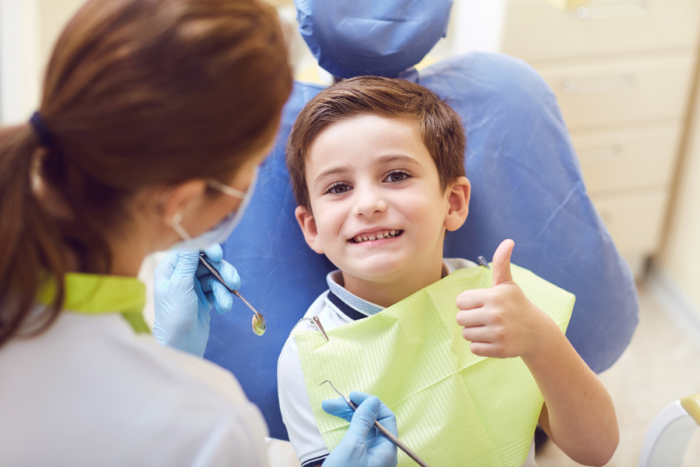
A pediatric dentist is specially trained to care for children’s teeth in a gentle, kid-friendly way.
They focus on:
- Early detection of dental issues
- Making children feel safe and comfortable
- Teaching both kids and parents healthy habits
This helps build positive dental experiences from a young age.
Real-Life Example
A parent once brought in their child, worried because they avoided candy but still had cavities. After a quick discussion, it turned out the child was sipping juice throughout the day and going to bed with milk without brushing.
With a few small changes—like switching to water between meals and improving brushing habits—their dental health improved quickly.
Situations like this are very common, and they’re fixable with the right guidance.
Frequently Asked Questions
Can kids get cavities without eating sugar?
Yes, kids can develop cavities even without eating candy or obvious sugary foods. Natural sugars found in milk, fruits, and even carbohydrates like crackers can feed bacteria in the mouth. These bacteria produce acid that weakens tooth enamel over time, leading to cavities if proper oral hygiene isn’t maintained.
Are baby teeth really important if they fall out anyway?
Absolutely. Baby teeth play a crucial role in your child’s development. They help with chewing, speaking clearly, and holding space for permanent teeth. If baby teeth are lost too early due to cavities, it can lead to alignment issues and future orthodontic problems.
How often should my child visit a pediatric dentist?
Children should visit a pediatric dentist every six months for routine checkups and cleanings. Regular visits help detect cavities early, prevent dental problems, and build a positive relationship with dental care from a young age.
Is juice bad for my child’s teeth?
Juice can contribute to cavities because it contains natural sugars and acids. Frequent sipping throughout the day exposes teeth to constant acid attacks. It’s best to limit juice intake, offer it only during meals, and encourage water between meals to protect your child’s teeth.
At what age should my child start brushing their teeth?
You should start cleaning your child’s teeth as soon as the first tooth appears. Use a soft-bristled toothbrush and a small amount of fluoride toothpaste. As your child grows, help them brush properly until they can do it effectively on their own (usually around age 6–8).
Why is my child getting cavities even with regular brushing?
Even if your child brushes daily, cavities can still develop if brushing is not thorough or if other factors are involved. Frequent snacking, poor flossing habits, sugary drinks, and plaque buildup can all contribute. A pediatric dentist can help identify the exact cause and guide you on improving your child’s routine.
What are dental sealants, and does my child need them?
Dental sealants are thin protective coatings applied to the chewing surfaces of back teeth. They help prevent food and bacteria from getting trapped in grooves, reducing the risk of cavities. Many pediatric dentists recommend sealants as an effective preventive measure for children.