
Quick Answers
- Swollen gums around one tooth may happen from infection, food buildup, gum irritation, or tooth damage.
- Pain, bleeding, or swelling that lasts more than two days should be checked by a dentist.
- Aging teeth and gums may become more sensitive and react faster to irritation.
- Early care may help prevent tooth loss or deeper infection.
Why Would My Gums Swell Around Just One Tooth?
Yes, swelling around one tooth can point to a local dental problem. Food stuck near the gumline, gum disease, a cracked tooth, or infection may all cause swelling. A dentist can examine the area and find the cause before the problem spreads to nearby teeth or gums.
Common Causes of Swollen Gums Around One Tooth
Gum swelling does not always mean a serious issue, but it should not be ignored.
Here are some common reasons this happens.
Food Trapped Near the Gum
Small food pieces can get stuck between teeth. This may irritate the gums and cause swelling or soreness.
Gum Infection
Bacteria can collect around the teeth and gums. This may lead to redness, swelling, or a bad taste in the mouth.
Tooth Damage
A cracked tooth may irritate the tissue around it. Some people feel pain when chewing or drinking cold liquids.
Gum Disease
Gum disease often starts slowly. Swelling around one tooth may be an early warning sign.
Aging Teeth and Gums
Aging teeth and gums may become thinner and more sensitive over time. This can make swelling easier to notice, especially near older fillings or crowns.
Signs You Should Not Ignore
Some symptoms mean it is time to call a dentist quickly.
Warning Signs Include
- Swelling that gets worse
- Pain while chewing
- Bleeding gums
- Pus near the tooth
- Fever or bad breath
- A loose tooth
- Swelling in the jaw or face
Patients around Manassas often wait too long before seeking care. Early treatment can help stop the infection before it spreads.
What a Dentist May Check During the Visit
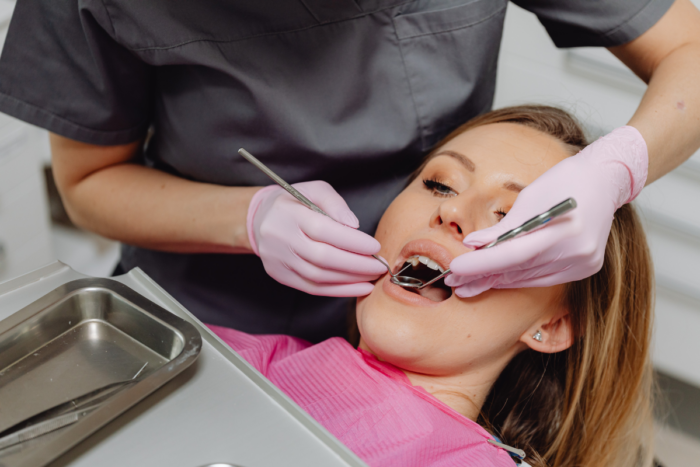
A Dentist will look closely at the swollen area to find the source of the problem.
The Exam May Include
| Dental Check | Purpose |
|---|---|
| Gum exam | Look for infection or irritation |
| Dental X-rays | Checks below the gumline |
| Bite check | Pressure on the tooth |
| Filling or crown review | Look for damage or gaps |
Aging teeth and gums sometimes hide problems below the surface. Small infections may grow if left untreated.
Can Swollen Gums Go Away on Their Own?
Sometimes, mild swelling improves after better brushing and flossing. Still, swelling that lasts more than two days should be checked out.
Pain or pressure often means the gum tissue is irritated or infected.
A dentist may recommend cleaning the area or treating the tooth before the problem becomes more serious.
Simple Home Care Tips
You can take small steps at home while waiting for your dental visit.
Helpful Tips
- Rinse with warm salt water
- Brush gently with a soft toothbrush
- Floss carefully around the sore tooth
- Avoid hard or sticky foods
- Drink enough water
- Avoid smoking
Do not press or poke the swollen gum. This may make irritation worse.
How Aging Teeth and Gums Affect Oral Health
As people age, gums and teeth change naturally.
Aging teeth and gums may pull back from the teeth. This exposes sensitive areas where bacteria can gather more easily.
Older dental work may also wear down over time. Small gaps near fillings or crowns can trap food and bacteria.
Regular cleanings help protect gum health and lower the risk of swelling.
When Swelling Becomes an Emergency
Some gum problems need urgent attention.
Call the Dentist Right Away If You Have:
- Severe swelling
- Trouble swallowing
- Fever with mouth pain
- Heavy bleeding
- Swelling spreading to the face
- Sharp pain that keeps you awake
These signs may point to an infection that needs quick care.
How to Help Prevent Future Gum Swelling
Daily habits make a big difference.
Healthy Habits That Protect Gums
- Brush twice each day
- Floss every night
- Visit your Dentist for regular checkups
- Limit sugary snacks
- Replace old toothbrushes often
- Drink water during the day
Healthy gums help support strong teeth for years to come.
People with aging teeth and gums should pay close attention to swelling or bleeding because early care often prevents bigger dental problems.
Conclusion
Swelling around one tooth may seem small at first, but it can point to gum disease, infection, trapped food, or tooth damage. Quick care helps protect your gums and lowers the risk of pain or tooth loss.
At Manassas Smiles in Manassas, many patients come in with swelling that started around just one tooth. A full exam can help find the cause and restore comfort before the issue worsens.
If you notice gum swelling, pain, or bleeding, schedule a consultation with Manassas Smiles. You can also contact our Manassas Smiles office if your symptoms suddenly become more painful or severe.
FAQs on Dental Care
Why would swelling happen around only one tooth?
Swelling around a tooth often happens because of trapped food, irritation, gum infection, or tooth damage. The problem usually starts in one small area before spreading.
Can brushing too hard make gums swell?
Yes. Hard brushing may irritate gum tissue and cause soreness or swelling near the teeth. Using a soft toothbrush helps protect the gums.
How long should gum swelling last?
Mild irritation may improve within a day or two. Swelling that lasts longer or becomes painful should be checked by a dental professional.
Can a cracked tooth cause swollen gums?
Yes. A crack can irritate the tissue around the tooth and allow bacteria to enter the area, leading to swelling and discomfort.
Is gum swelling linked to aging?
Yes. As gums and teeth age, tissue may become thinner and more sensitive. This can make swelling more noticeable and healing slower.
Should swelling around one tooth be treated quickly?
Yes. Early treatment may help prevent infection, bone loss, or damage to nearby teeth and gums.