
If you have a missing tooth, your dentist may have mentioned a dental bridge. Before committing to any treatment, it’s completely natural to have questions. Many Manassas patients want honest, straightforward answers before they move forward. This guide covers the 5 questions about dental bridges patients ask most often — giving you real answers before your treatment in Manassas.
Question 1: What Exactly Is a Dental Bridge and How Does It Work?
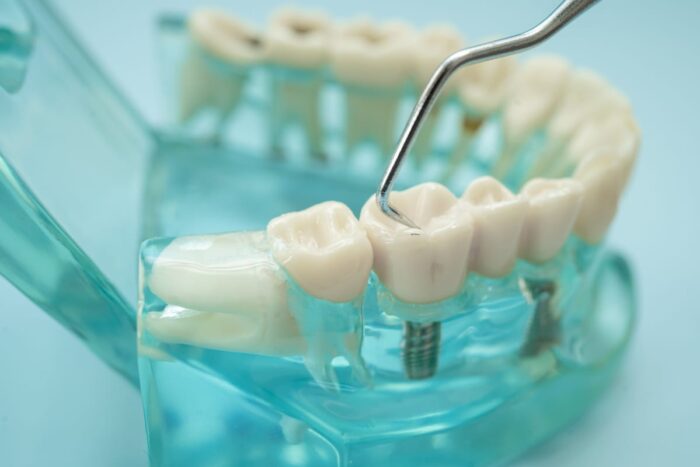
A dental bridge is a fixed restoration that replaces one or more missing teeth. It uses the teeth on either side of the gap as anchors, called abutment teeth. An artificial tooth — called a pontic — sits in between and fills the space.
The bridge is cemented permanently in place. You won’t remove it like a denture. It looks and functions much like your natural teeth once it’s placed.
Dr. Nadder Hassan at Manassas Smiles uses tooth-colored porcelain bridges for a natural appearance. Most patients are surprised at how seamlessly a well-crafted bridge blends with surrounding teeth.
- Traditional bridges rely on two crowned abutment teeth
- Cantilever bridges use only one anchoring tooth
- Maryland bridges use a metal or porcelain framework bonded to adjacent teeth
- Implant-supported bridges don’t rely on natural teeth for support
Question 2: Will the Procedure Hurt? What Should I Expect During Treatment in Manassas?
This is one of the most common concerns new patients bring up. The honest answer is that most people experience very little discomfort during the procedure. Dr. Hassan uses local anesthesia to numb the area completely before starting.
The appointment typically involves two visits. During the first, your abutment teeth are gently reshaped to accommodate the crowns. Impressions are taken and sent to a dental lab. You’ll wear a temporary bridge while your permanent one is being crafted.
At the second visit, your permanent bridge is fitted and adjusted for proper bite alignment. Some mild soreness or sensitivity after the anesthesia wears off is normal. Over-the-counter pain relief usually manages this easily.
- First visit: tooth preparation, impressions, and temporary bridge placement
- Lab phase: your permanent bridge is custom-crafted (usually 1–2 weeks)
- Second visit: permanent bridge is fitted, adjusted, and cemented
Question 3: How Long Do Dental Bridges Last?
This is a smart question to ask before committing to treatment. With proper care, a dental bridge typically lasts 10 to 15 years. Some last even longer depending on the patient’s oral hygiene habits and bite forces.
The longevity of your bridge depends on a few key factors. Brushing twice daily and flossing under the bridge are essential. Your dentist may recommend a floss threader or water flosser to clean beneath the pontic effectively.
Regular checkups at Manassas Smiles also play a big role. Catching issues early — like changes in your bite or gum recession around abutment teeth — can extend the life of your bridge significantly.
- Brush twice daily with a soft-bristled toothbrush
- Use a floss threader or interdental brush daily
- Avoid chewing hard or sticky foods on the bridge
- Attend routine cleanings every six months
- Report any sensitivity or bite changes promptly
Question 4: Is a Dental Bridge the Right Choice for Me — or Should I Consider Implants?
This is a question that deserves an honest, personalized answer. Both dental bridges and implants are excellent solutions for missing teeth. The right choice depends on your bone density, budget, timeline, and overall oral health.
Bridges are a faster solution. They typically require just two appointments over a few weeks. Implants involve a surgical process and can take several months from placement to final restoration.
Bridges are also a strong option when the adjacent teeth already need crowns. In that case, using them as bridge anchors makes practical sense. However, implants preserve jawbone density in a way that bridges cannot.
Dr. Hassan evaluates each patient individually. If you’re exploring your options, reviewing your Dental Concerns Manassas with a qualified dentist is the best first step. A thorough exam will help determine what works best for your unique situation.
Question 5: How Does a Bridge Affect My Appearance and Daily Life?
Most patients are pleasantly surprised by how natural a dental bridge looks and feels. Modern porcelain materials are matched carefully to your surrounding tooth color. The result is a restoration that blends seamlessly with your smile.
Speaking and chewing typically return to normal quickly. You may need a short adjustment period — usually just a few days. Most patients feel fully comfortable within a week of receiving their permanent bridge.
A bridge also has cosmetic benefits beyond just filling a gap. It prevents adjacent teeth from shifting into the empty space. It supports your facial structure and maintains the natural shape of your jaw and cheeks.
If you’re also interested in enhancing the rest of your smile, exploring Cosmetic Dentistry Centreville Va Manassas options alongside your bridge treatment can deliver truly transformative results.
Your Next Step With Dr. Nadder Hassan in Manassas
Getting honest answers before treatment builds real confidence. We hope these 5 questions about dental bridges have given you clarity about what to expect before your treatment in Manassas. At Manassas Smiles, Dr. Hassan and our team prioritize patient education at every step.
We understand that dental decisions feel significant. Our goal is to help you make the choice that fits your health, your lifestyle, and your smile goals. There’s no pressure — only personalized, compassionate guidance.
Ready to find out if a dental bridge is right for you? Book Now to schedule your appointment with our team.
Frequently Asked Questions
How many teeth can a dental bridge replace?
A dental bridge can replace one or several consecutive missing teeth. The number of pontics depends on how many teeth are missing and the strength of the surrounding abutment teeth. Dr. Hassan will assess your specific situation during a consultation.
Does getting a dental bridge require surgery?
No, a traditional dental bridge does not require surgery. It involves reshaping the abutment teeth and placing a permanent restoration over them. Implant-supported bridges do involve a surgical component, but traditional bridges are a non-surgical option.
Will my bridge look natural?
Yes. Modern dental bridges use high-quality porcelain that closely mimics the look of natural teeth. Dr. Hassan carefully matches the shade to your surrounding teeth so the bridge blends in seamlessly with your smile.
Can I eat normally with a dental bridge?
Most patients return to eating normally within a short adjustment period. You should avoid chewing on extremely hard or sticky foods directly on the bridge. Otherwise, a well-placed bridge supports comfortable chewing for everyday foods.
How do I know if I’m a good candidate for a dental bridge?
Good candidates have one or more missing teeth with healthy teeth on either side of the gap. Good gum health and sufficient bone support are also important factors. A full evaluation with Dr. Nadder Hassan at Manassas Smiles will confirm whether a bridge is the right solution for you.