
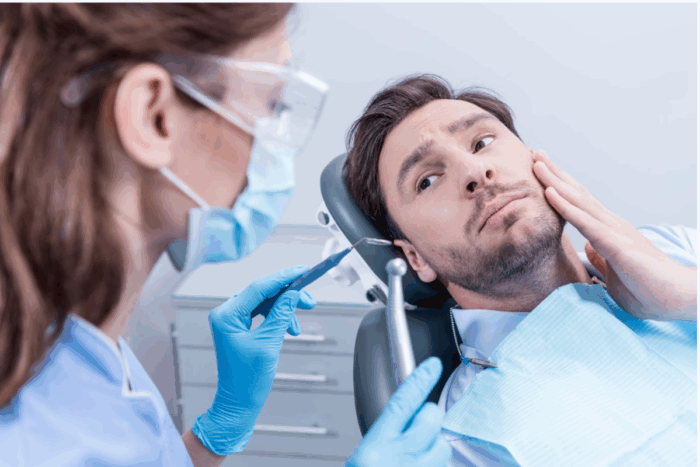
Dental emergencies can happen unexpectedly and often cause significant distress. Whether it’s a sudden toothache, a knocked-out tooth, or a broken dental appliance, knowing what steps to take can make a world of difference in managing the situation effectively. As an emergency dentist in Manassas, we understand the importance of quick, professional care during such events, and we’re here to guide you on how to handle a dental emergency until you can get the help you need. Here’s a step-by-step guide to navigating common dental emergencies and ensuring your oral health is protected.
Recognizing the Symptoms of a Dental Emergency
The first step in handling a dental emergency is recognizing it. Common dental emergencies include severe toothaches, broken or chipped teeth, knocked-out teeth, abscesses, and injuries to the gums or mouth. Any situation where you are experiencing significant pain, bleeding, or damage to your teeth or gums should be taken seriously. Immediate action is crucial to minimize damage and reduce the risk of long-term complications.
Step 1: Stay Calm and Assess the Situation
In the event of a dental emergency, it’s easy to feel overwhelmed, but staying calm is essential. Take a deep breath and assess the situation carefully. If you’re in pain, try to evaluate its severity. Is the pain constant or does it come and go? Does the injury appear to be life-threatening, or is it confined to the mouth? This will help you understand how urgent the situation is and what steps to take next.
If you are unsure whether the situation is an emergency, it’s always best to err on the side of caution and contact an emergency dentist. Our emergency dentist in Manassas is ready to guide the next steps.
Step 2: Control Bleeding and Pain
If there is any bleeding, the first priority is to stop it. For injuries to the gums, bite down gently on a clean piece of gauze or cloth. If a tooth has been knocked out, apply gentle pressure to the area where the tooth was to stop the bleeding. It’s important not to panic or rush—bleeding should be controlled calmly and methodically.
For pain, focus on staying as comfortable as possible while you prepare to seek care from an emergency dentist. Avoid applying aspirin directly to the affected area, as it may cause irritation to the gums.
Step 3: Preserve a Knocked-Out Tooth
If you have a knocked-out tooth, time is of the essence. The faster you can get to an emergency dentist, the higher the chances of saving the tooth. Gently pick up the tooth by the crown (the part you chew with) and avoid touching the root. If the tooth is dirty, rinse it gently with water—do not scrub it or use soap.
Try to place the tooth back into the socket carefully. If that’s not possible, store the tooth in a cup of milk or saliva until you can get to an emergency dentist in Manassas. Avoid storing the tooth in water, as this can damage the root cells.
Step 4: Manage a Broken or Chipped Tooth
A broken or chipped tooth can be painful and distressing, but immediate action can minimize further damage. Rinse your mouth with warm water to clean the area, and if there’s any swelling, apply a cold compress to the outside of your cheek to reduce inflammation.
If possible, save any pieces of the broken tooth and bring them with you to the dentist. This could help with the restoration process. In the meantime, use dental wax or a temporary filling material to cover any sharp edges of the broken tooth to prevent further injury to your mouth.
Step 5: Addressing Toothaches and Abscesses
Toothaches can be caused by a variety of issues, including cavities, gum infections, or abscesses. If you have a severe toothache, try rinsing your mouth with warm saltwater to reduce swelling and remove debris. Over-the-counter pain relievers can provide temporary relief, but it’s important to schedule an appointment with an emergency dentist as soon as possible.
If you suspect an abscess (a pocket of pus caused by bacterial infection), it’s important to seek professional care right away. Abscesses can lead to serious health complications if left untreated, including the spread of infection to other parts of the body.
Step 6: Seek Professional Help Immediately
After managing the initial steps, it’s crucial to seek professional care from an emergency dentist. Waiting too long can lead to complications, and in some cases, it can result in permanent damage to the tooth or surrounding tissues. Contact an emergency dentist in Manassas immediately to schedule an appointment. Our office is equipped to handle a wide range of dental emergencies, and we prioritize patient comfort and care.
Step 7: Prevent Future Emergencies
While dental emergencies can happen unexpectedly, there are several steps you can take to reduce the risk of future issues. Regular dental checkups, proper oral hygiene, and using a mouthguard during sports activities can help protect your teeth from injuries and infections. Additionally, addressing small dental issues early can prevent them from turning into larger emergencies.
Conclusion
Dental emergencies can be alarming, but knowing how to handle them effectively can make all the difference in preserving your oral health. From controlling bleeding and pain to seeking prompt professional care, taking the right steps during an emergency can prevent further complications and ensure that your teeth are properly treated. Remember, whether it’s a knocked-out tooth, a severe toothache, or a broken dental appliance, an emergency dentist in Manassas is ready to provide the care you need. By staying calm, acting quickly, and seeking expert treatment, you can ensure that your smile remains healthy and strong.
At our dental clinic, we are dedicated to providing timely, high-quality care in dental emergencies. Our experienced team is here to offer the support you need when unexpected situations arise. If you’re experiencing a dental emergency, don’t wait—schedule an appointment with us today, and let us take care of your smile.