
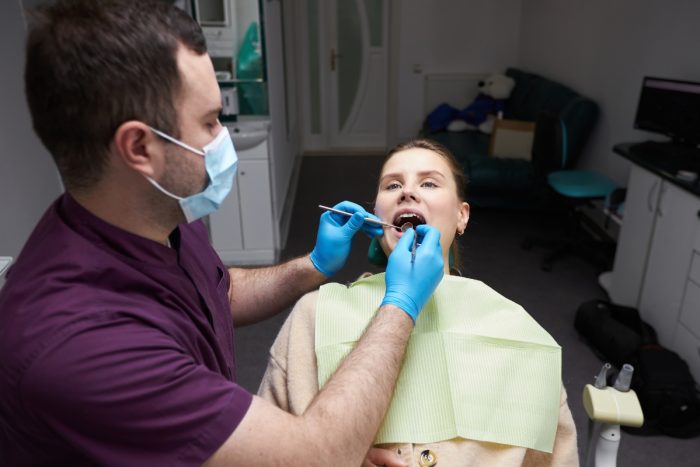
So your dentist said the word. Cavity. Your stomach drops a little, right? Take a breath. It’s one of the most common dental problems out there, and fixing it is far less dramatic than you probably imagine. Modern dentistry has gotten pretty good at this. Numbing is effective, tools are gentler, and most repairs wrap up in a single visit. Still, “what are they actually going to do to my tooth?” is a fair question. Let’s walk through it.
What Is a Cavity, Anyway?
A cavity is a hole that decay eats into your tooth. Here’s how it happens. Bacteria in your mouth feed on sugar and starch, then produce acid. That acid slowly dissolves enamel, the hard outer layer. Given enough time, it breaks through and reaches the softer layer beneath, called dentin. Go further, and it hits the nerve.
Early on, you feel nothing. That’s the sneaky part. By the time a tooth aches, decay has usually moved deeper. Finding a dentist in Manassas for regular checkups helps you catch trouble while it’s still small.
How Dentists Repair Cavities
The right fix depends on how far the decay has traveled. Here are the main options, from simplest to most involved.
Fluoride and Early Care
Catch decay at its very first stage, and you may not need a drill at all. Early enamel damage can sometimes reverse with fluoride treatments, better brushing, and fewer sugary snacks. Your dentist will keep an eye on the spot and check it again at your next visit.
Dental Fillings
This is the go-to repair for most cavities. Your dentist numbs the area, removes the decayed part of the tooth, cleans it out, and fills the space. The filling seals the hole so bacteria can’t get back in, and it brings back the tooth’s shape so you can chew normally.
Fillings come in a few materials. Tooth-colored composite resin blends in with your natural teeth, which is why many people like it for visible spots. Amalgam, the silver-colored type, has been used for a long time and holds up well on back teeth. A dentist in Manassas can talk through which one fits your situation.
Most fillings take under an hour. You’ll feel pressure, but you shouldn’t feel pain.
Inlays and Onlays
Sometimes the cavity is too big for a regular filling, but the tooth isn’t damaged enough for a full crown. That’s where inlays and onlays come in. They’re made in a lab or milled in the office, then bonded to your tooth. Think of them as a custom-fit patch. They’re strong, and they save more of your natural tooth than a crown does.
Dental Crowns
When decay or a crack weakens a large part of the tooth, a crown steps in. It’s a cap that covers the whole visible part of the tooth, protecting it and restoring its strength. Your dentist shapes the tooth, takes an impression or digital scan, and places a temporary crown while the permanent one gets made. A second visit usually follows to fit the final version. Some offices can make crowns the same day with in-office technology.
Root Canal Treatment
If decay reaches the nerve, you’ll probably know it. Throbbing, sensitivity to hot and cold, maybe swelling. A root canal removes the infected tissue inside the tooth, cleans the space, and seals it. Then a crown usually goes on top for protection.
People dread this one, but here’s the truth: the treatment relieves pain rather than causing it. Modern numbing makes it feel similar to getting a filling. A dentist near Manassas can tell you whether a root canal is the best way to save your tooth.
Extraction and Replacement
Sometimes a tooth is too damaged to keep. It’s not the outcome anyone wants, but it does happen. In that case, your dentist removes the tooth and talks to you about replacing it, with a dental implant, bridge, or partial denture. Replacing the missing tooth matters. Gaps let neighboring teeth shift and can make chewing harder.
What Recovery Looks Like
Most people bounce back fast. After a filling, your mouth stays numb for a couple of hours. Avoid chewing on that side until the numbness fades, so you don’t bite your cheek or tongue. Some sensitivity to hot, cold, or pressure is common for a few days, and it usually settles down.
After a root canal or crown, your tooth may feel a little tender. That’s normal. Over-the-counter pain relief often helps, as long as you follow the label. If pain gets worse, or your bite feels off, call your dentist.
Why Fixing a Cavity Early Beats Waiting
Cavities don’t heal on their own. Once enamel breaks down into an actual hole, only a dental repair stops the process. Waiting turns a small, quick filling into a crown, a root canal, or worse. And bigger treatments mean more time in the chair and a bigger bill.
It’s tempting to say, “It doesn’t hurt, so I’ll skip it.” Plenty of people do. But pain usually shows up late, when options are narrower. Booking a visit with a dentist in Manassas the moment you spot a dark spot, sensitivity, or a rough edge keeps the repair simple.
How to Avoid the Next Cavity
Repairs work best when you protect them. Brush twice a day with fluoride toothpaste. Floss daily, since brushing misses the spaces between teeth. Cut back on sipping sugary drinks all day. And see a dentist in Manassas about every six months, or as often as they recommend.
Sealants can also help, especially for kids and teens. These thin coatings cover the deep grooves on back teeth, where food and bacteria love to hide.
FAQs: Frequently Asked Questions
Q. Does getting a cavity filled hurt?
Your dentist numbs the area first, so you shouldn’t feel pain. You may notice pressure or vibration, but that’s normal.
Q. How long does a filling last?
It depends on the material and your habits, but many fillings last for years. Good brushing, flossing, and regular checkups help them last longer.
Q. Can a cavity go away on its own?
Only the very earliest stage, before a hole forms, can sometimes reverse. Once there’s an actual cavity, you need a dental repair.
Q. What happens if I leave a cavity untreated?
The decay keeps spreading. It can reach the nerve, cause an infection, and eventually lead to tooth loss.
Q. Do I need a crown after every root canal?
Usually, yes. A crown protects the treated tooth from cracking. Your dentist will tell you what’s best for your tooth.
Ready to Fix That Cavity?
Don’t wait for a toothache to make the decision for you. Call Manassas Smiles, schedule a checkup, and get your smile back to feeling good. Searching for a dentist in Manassas? We welcome patients from Centreville, Gainesville, and Woodbridge too. Reach out today and take the first step.