
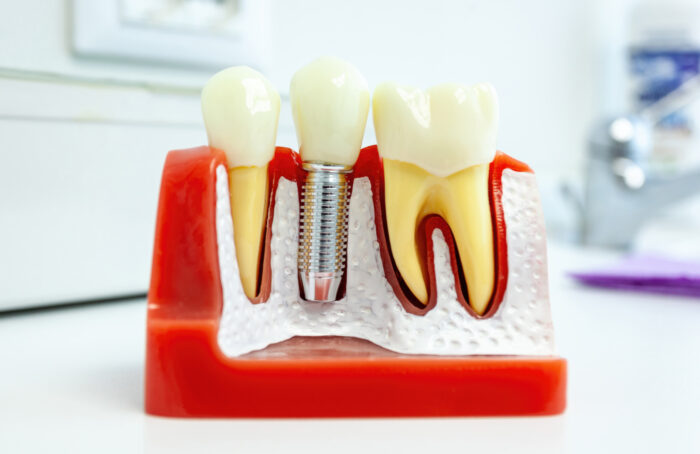
Dental implants have become a trusted solution for restoring missing teeth, offering durability, function, and a natural appearance. While dental implants are highly successful, like any dental procedure, they require proper care and attention to avoid potential complications. Understanding the factors that can affect the success of your implant can help you maintain a healthy, long-lasting smile.
If you’re considering dental implants in Manassas or already have them, knowing how to prevent common implant issues is key to protecting your oral health. Here are essential tips to help you avoid complications and keep your implants functioning optimally.
1. Maintain Excellent Oral Hygiene
One of the most important ways to prevent dental implant problems is through consistent and thorough oral hygiene. Plaque and bacteria can build up around the implant, leading to inflammation of the gums and potential bone loss—a condition known as peri-implantitis.
-
Brush at least twice daily using a soft-bristle toothbrush.
-
Floss carefully around the implant to remove debris.
-
Consider using an antimicrobial mouth rinse to reduce bacteria.
Routine hygiene practices help ensure your implant remains healthy and supports the surrounding tissues properly. Our dental implants in Manassas can provide long-lasting stability and natural function while helping you maintain a confident, healthy smile.
2. Attend Regular Dental Checkups
Regular visits to your implant dentist allow for early detection of potential issues. During checkups, your dentist can monitor the health of your gums, the stability of the implant, and the condition of surrounding teeth. Catching problems early—before they progress—can prevent more serious complications.
Professional cleanings and exams are essential because even the most diligent home care cannot always reach every area around the implant. Your dentist can provide specialized care to keep your implants in top condition.
3. Avoid Smoking and Tobacco Use
Tobacco use is one of the leading risk factors for implant complications. Smoking can reduce blood flow to the gums and jawbone, slowing healing after implant placement and increasing the risk of implant failure.
If you are considering dental implants, avoiding smoking and tobacco products before and after your procedure can significantly improve your chances of a successful outcome.
4. Protect Your Implants from Excessive Force
While dental implants are designed to withstand normal biting and chewing forces, excessive pressure or trauma can cause problems. Avoid using your teeth as tools to open packages, and be cautious with very hard foods that could stress your implant or surrounding teeth.
For patients who grind or clench their teeth at night, a nightguard may be recommended by your implant dentist to protect both natural teeth and dental implants from damage.
5. Follow Post-Procedure Instructions Carefully
After getting dental implants, following your dentist’s post-procedure instructions is crucial. This may include:
-
Eating soft foods for a specific period.
-
Taking prescribed medications to manage pain or prevent infection.
-
Avoid vigorous rinsing or touching the surgical site.
Adhering to these guidelines supports proper healing and reduces the risk of complications such as infection, delayed integration, or implant instability.
6. Address Health Conditions That May Affect Healing
Certain medical conditions, such as diabetes or immune system disorders, can affect healing and increase the risk of implant problems. If you have any underlying health issues, discuss them with your implant dentist before undergoing implant treatment. Proper management of these conditions can improve your implant’s success and longevity.
7. Be Aware of Early Warning Signs
Early recognition of potential implant issues can make a significant difference in outcomes. Some signs to watch for include:
-
Persistent pain or discomfort around the implant
-
Redness, swelling, or bleeding of the gums
-
Loosening of the implant
-
Difficulty chewing or changes in bite alignment
If you notice any of these symptoms, schedule an appointment with your implant dentist promptly to prevent further complications.
Final Thoughts
Dental implants are a long-term investment in your oral health and confidence. By maintaining excellent oral hygiene, attending regular checkups, avoiding harmful habits, and following your dentist’s guidance, you can minimize risks and enjoy a healthy, functional smile for years to come.
Our dental clinic is committed to providing patient-centered care and guidance for maintaining healthy, long-lasting dental implants. Schedule an appointment today to ensure your implants stay strong and problem-free.