
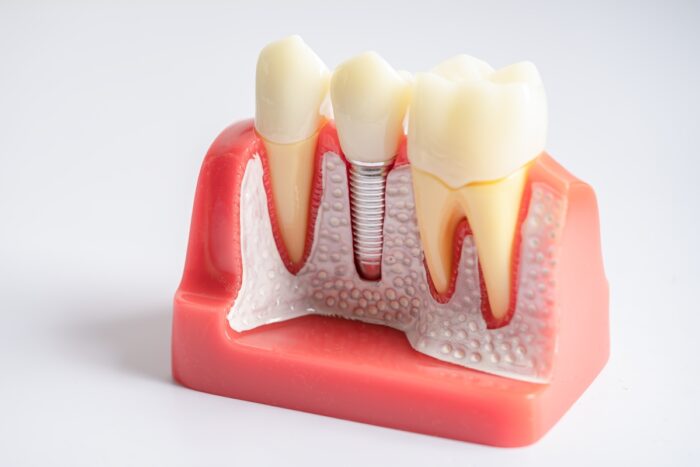
You finally got your dental implant a decision that took planning, investment, and trust in your dental team. But now something feels off. There’s an unpleasant odor you can’t quite shake, and you’re wondering if something went wrong.
Bad breath after dental implant is more common than most patients expect, and in many cases, it’s completely manageable. Understanding why it happens is the first step toward getting rid of it and keeping your new smile fresh, healthy, and lasting for years to come.
Is Bad Breath After a Dental Implant Normal?
The short answer: it can be, depending on when it happens and why.
Some mild, temporary odor in the days following implant surgery is a normal part of healing. However, persistent or worsening bad breath especially weeks after the procedure is a signal that something needs attention.
It’s important not to dismiss it. Ongoing bad breath after a dental implant can sometimes point to an underlying issue that, if left untreated, may affect the long-term success of the implant itself.
Common Reasons Bad Breath Develops After a Dental Implant
There isn’t just one cause. Several factors both temporary and long-term can contribute to unpleasant breath following implant placement.
1. The Healing Process Itself
In the first few days after surgery, your mouth is healing from a minor procedure. The body naturally produces certain compounds during tissue repair, and the presence of a wound site even a clean one can create a mild odor.
This type of bad breath typically resolves on its own within one to two weeks as the gum tissue closes and heals.
2. Bacterial Buildup Around the Implant
One of the most frequent causes of persistent bad breath after dental implant is bacteria accumulating at the gum line or in the tiny gap between the implant and the crown.
Without consistent, thorough cleaning, these bacteria break down food particles and proteins releasing sulfur compounds that smell unpleasant. The same bacteria are responsible for bad breath in natural teeth, and they’re just as active around implants.
3. Peri-Implantitis
This is a condition worth knowing about. Peri-implantitis is an infection of the tissue and bone surrounding a dental implant similar to gum disease around natural teeth.
Common signs include:
- Persistent bad breath that doesn’t improve with brushing
- Swelling, redness, or bleeding around the implant
- Pain or discomfort near the implant site
- A loose-feeling implant
If you notice any of these symptoms, it’s important to see your dentist promptly. Peri-implantitis is treatable, especially when caught early, but it can threaten the implant if ignored.
4. A Poor Fit or Damaged Crown
Sometimes bad breath after a dental implant traces back to the crown (the visible tooth portion) rather than the implant itself. If the crown doesn’t fit properly, small gaps can trap food and bacteria beneath or around it.
A cracked or chipped crown can also harbor bacteria in places that are difficult to clean. Your dentist can check the fit and integrity of the crown during a routine visit.
5. General Oral Hygiene Habits
Even the best dental implant can’t compensate for inconsistent oral hygiene. Plaque and food debris left anywhere in the mouth not just at the implant site contribute to bad breath.
Neglecting to clean between teeth, around the implant, or along the gum line creates the ideal environment for odor-causing bacteria to thrive.
How to Stop Bad Breath After a Dental Implant
The good news is that in most cases, bad breath after a dental implant is preventable and treatable. Here’s what actually works:
Upgrade Your Daily Cleaning Routine
A standard toothbrush alone isn’t enough around an implant. Consider adding:
- Use Interdental Brushes or a Water Flosser: Clean around the implant base where food particles and plaque tend to collect, helping prevent bacteria buildup and bad breath.
- Use Floss Threaders or Implant-Specific Floss: Reach beneath the implant crown to remove trapped debris and plaque from areas that regular floss may not effectively clean.
- Rinse with an Antimicrobial Mouthwash: Help reduce harmful bacteria in the mouth. Consult your dentist to choose the most appropriate mouthwash for your oral health needs.
- Clean Your Tongue Daily: Use a tongue scraper to remove bacteria, food debris, and dead cells from the tongue’s surface—an often-overlooked cause of persistent bad breath.
Brush at least twice daily and focus on cleaning every surface of the implant crown, not just the biting surface.
Stay Hydrated
Dry mouth creates the perfect conditions for odor-producing bacteria. Drinking water throughout the day keeps saliva flowing, which naturally rinses away bacteria and food particles.
Limit coffee, alcohol, and tobacco all of which dry out the mouth and make bad breath worse.
Don’t Skip Follow-Up Appointments
Professional cleanings are especially important for implant patients. Even with excellent home care, plaque can harden into tartar in areas that are difficult to reach, and only a dental professional can safely remove it from around an implant.
Regular checkups also allow your dentist to monitor for early signs of peri-implantitis or crown issues before they become serious problems.
Address the Root Cause Directly
If bad breath persists despite good hygiene, don’t assume it will eventually go away. Bring it up with your dentist so the exact cause can be identified.
Whether it’s an ill-fitting crown, infection, or something else entirely, treatment is far more straightforward when the problem is diagnosed early.
When to Call Your Dentist Right Away
Most cases of bad breath after a dental implant aren’t emergencies, but certain symptoms warrant a prompt call:
- Bad breath combined with visible swelling or discharge at the implant site
- Increasing pain or sensitivity around the implant
- A feeling that the implant has shifted or become loose
- Bleeding that doesn’t settle after gentle cleaning
These signs may indicate infection or implant complications that need professional evaluation without delay.
Protecting Your Implant for the Long Term
A dental implant is designed to last decades but that longevity depends on how well it’s cared for. Think of it less like a replacement tooth and more like a responsibility.
Consistent oral hygiene, regular professional cleanings, and staying alert to changes in how your implant feels or smells are the three pillars of implant longevity.
The effort you put in now protects not just your breath, but the entire investment you’ve made in your smile.
Fresh Breath and a Healthy Implant Start Here
At Manassas Smiles, located in Manassas, VA 20110, we work with implant patients every day helping them maintain their results, troubleshoot concerns like bad breath after a dental implant, and keep their smiles in excellent condition for the long haul.
Whether you’re newly post-surgery or a long-time implant patient noticing something new, our team is here to help with thorough, judgment-free care.
Schedule your appointment today and let us make sure your implant and your breath stay in great shape.