
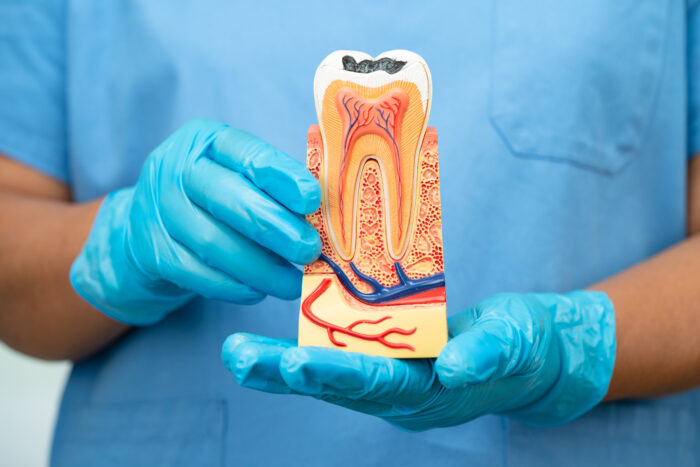
Root canal therapy is often the best option for saving a severely decayed or infected tooth. While the procedure itself is highly effective and relatively painless with modern techniques, the recovery phase plays a crucial role in ensuring long-term success. Proper aftercare not only minimizes discomfort but also supports healing and helps prevent complications.
If you’ve recently undergone root canal therapy in Manassas or are preparing for the procedure, this guide will provide you with valuable tips to promote a smooth and comfortable recovery.
What to Expect After Root Canal Therapy
After root canal therapy, it’s normal to experience some mild to moderate soreness or sensitivity in the treated area. This is typically due to tissue inflammation, and the discomfort usually subsides within a few days. You may also notice that the tooth feels slightly different when biting down, especially if a crown hasn’t been placed yet.
If you’re receiving root canal therapy in Manassas for the first time, knowing what to expect can help ease anxiety and support a smoother recovery. Understanding what’s normal—and what’s not—can give you peace of mind and help you identify if something needs professional attention.
Essential Root Canal Aftercare Tips
1. Take Prescribed Medications as Directed
Your dentist may recommend or prescribe medications such as antibiotics to prevent infection or pain relievers to manage discomfort. Taking these exactly as directed is essential for a safe and speedy recovery. Over-the-counter medications like ibuprofen can also help reduce inflammation and pain.
2. Avoid Chewing on the Treated Side
Immediately after the procedure, your tooth may be more fragile, especially if a permanent crown hasn’t been placed yet. To avoid damaging the tooth or irritating the area, try not to chew on that side until your dentist gives you the green light.
3. Stick to Soft Foods for a Few Days
Eating soft, cool foods like yogurt, mashed potatoes, scrambled eggs, and smoothies can help reduce discomfort and protect the treated tooth. Avoid crunchy, hard, or sticky foods until your dentist confirms that the area has healed enough to resume your normal diet.
4. Maintain Excellent Oral Hygiene
Good oral hygiene is essential after root canal therapy. Brush gently around the treated tooth, and continue flossing daily to prevent plaque buildup. Just be cautious not to irritate the area. Rinsing with warm salt water can also soothe the gums and reduce inflammation.
5. Monitor for Unusual Symptoms
While most patients recover without any issues, it’s important to be aware of signs that may indicate a complication. Contact your dentist if you experience:
-
Persistent or worsening pain after several days
-
Swelling in the face or gums
-
A visible lump or pus discharge
-
Fever or general unwellness
These symptoms could signal an infection or other issue that needs immediate attention.
6. Avoid Smoking and Alcohol
Smoking can delay healing and increase the risk of infection, while alcohol can interfere with certain medications and cause irritation. It’s best to avoid both for at least 48–72 hours—or longer if recommended by your dentist.
7. Follow Up with Your Dentist
After your initial procedure, a follow-up appointment is often needed to place a permanent crown or restoration over the treated tooth. This step is vital to protect the tooth and restore full function. Skipping this step may compromise the outcome of the root canal.
If you’ve had root canal therapy in Manassas, make sure you attend your scheduled check-ins so your dentist can assess healing and complete the treatment process properly.
How Long Does Recovery Take?
Most people begin to feel better within a few days of the procedure. Any discomfort should steadily decrease with time. In some cases, the treated tooth may remain slightly sensitive for a week or two—especially if the infection was severe or the procedure was complex.
Full recovery and return to normal biting function typically occur once the tooth is permanently restored, either with a filling or a crown.
Supporting Your Long-Term Oral Health
Recovering from root canal therapy is not just about short-term healing—it’s about preserving the treated tooth for many years to come. With proper care, a root canal-treated tooth can last a lifetime. Here are a few tips to support long-term success:
-
Continue regular dental checkups every six months
-
Avoid using your teeth as tools (e.g., opening packages)
-
Use a nightguard if you grind your teeth
-
Maintain a balanced diet to support overall dental health
Final Thoughts
Root canal therapy is a highly effective treatment for saving damaged teeth, and with the right aftercare, your recovery can be smooth and free of complications. By following your dentist’s instructions, maintaining good oral hygiene, and keeping up with follow-up visits, you can enjoy lasting results and protect your smile for years to come.
Schedule an appointment today if you have questions about your recovery or think you may need root canal therapy.
At our dental clinic, we are committed to delivering high-quality care with a patient-centered approach—helping you feel informed, supported, and confident throughout every step of your treatment journey.