
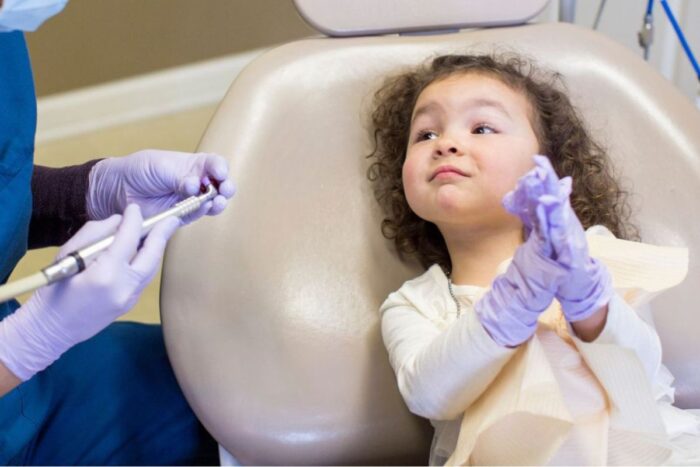
Good oral hygiene habits start early, and teaching kids to brush and floss properly can set the foundation for a lifetime of healthy smiles. While it might take some patience and creativity, helping your child understand the importance of dental care can make all the difference. As a trusted kids dentist, we know that making brushing and flossing fun and easy to understand encourages children to take responsibility for their oral health from a young age.
Why Early Oral Care Matters
Children’s teeth may be small, but they play a big role in speech development, chewing, and guiding adult teeth into place. Poor oral hygiene can lead to cavities and gum problems even in young children. Encouraging proper brushing and flossing habits early helps prevent these issues and promotes confidence in maintaining good dental health as they grow.
A pediatric dentist often reminds parents that kids learn best through consistency and positive reinforcement. Establishing a routine, demonstrating good technique, and turning daily brushing into a positive experience can make oral care something children look forward to instead of resisting.
1. Make Brushing Fun and Interactive
Children are more likely to brush regularly when it feels like a game. Use colorful toothbrushes, musical timers, or apps that make brushing exciting. Let your child pick out their toothbrush and toothpaste—just make sure it’s age-appropriate and has fluoride.
To make sure your child brushes long enough, use the “two-minute rule.” You can play their favorite song or set a timer. Many parents also brush alongside their children, turning it into a family activity that reinforces good habits.
2. Teach the Right Brushing Technique
Proper brushing technique is key to keeping teeth and gums clean. Show your child how to angle the toothbrush at 45 degrees toward the gum line and make small circular motions. Remind them to brush the front, back, and top surfaces of every tooth and to gently brush their tongue to remove bacteria and freshen breath.
Supervise brushing until your child is at least 7 or 8 years old to make sure they’re doing it correctly and for the right amount of time. Younger children often rush through brushing, missing important areas that can harbor plaque buildup.
3. Don’t Forget Flossing
Flossing is just as important as brushing—but many kids (and parents) skip it. Start flossing your child’s teeth as soon as two teeth touch. For younger children, use child-friendly floss picks that are easier to handle. Show them how to gently slide the floss between each tooth and curve it into a “C” shape along the sides to clean effectively.
Flossing helps remove food particles and plaque from places a toothbrush can’t reach, preventing cavities and gum irritation. Our pediatric dentist in Manassas can demonstrate proper flossing techniques during routine visits and help kids understand why this small step makes a big difference.
4. Establish a Consistent Routine
Consistency is essential for developing lifelong habits. Encourage brushing and flossing at the same times every day—once in the morning and once before bed. You can create a fun reward chart to track progress or use stickers as motivation for younger kids.
Building routines not only strengthens good habits but also reinforces the importance of caring for their teeth daily. Parents can support these efforts by setting an example—children often mimic the behaviors they see from adults.
5. Lead by Example
Kids naturally look up to their parents, and seeing you take care of your own oral health inspires them to do the same. Brush and floss together as a family and talk about why it’s important. Share simple facts, like how clean teeth help keep your smile bright and your gums healthy.
If your child wears braces or aligners, remind them that good brushing and flossing are even more critical during orthodontic treatment. Parents often ask, “How long do braces take to straighten teeth?” The answer varies, but maintaining proper oral hygiene can help treatment progress smoothly. Clean teeth and gums also make it easier to spot signs that your braces are almost ready to come off, such as improved alignment and bite. Keeping up with hygiene ensures the smile looks just as beautiful once the braces are removed.
6. Encourage Regular Dental Visits
Even with great brushing and flossing habits, regular dental visits are essential. Routine checkups allow the dentist to monitor your child’s growth, ensure proper tooth alignment, and prevent early dental problems. Visiting a pediatric dentist ensures that your child’s dental care is tailored to their needs, with a gentle and understanding approach that helps them feel comfortable and confident.
The Long-Term Benefits of Early Habits
Good brushing and flossing habits formed in childhood often carry into adulthood. These habits reduce the risk of cavities, gum disease, and even orthodontic complications later on. Teaching your child the importance of caring for their teeth not only protects their smile today but also supports their long-term oral health.
When kids understand why brushing and flossing matter, they’re more likely to take pride in their daily routine and view dental care as part of their overall well-being.
Start Building Healthy Habits Today
At Manassas Smiles, we’re passionate about helping children develop strong, healthy smiles through education, encouragement, and personalized care. Our experienced team takes the time to connect with kids and parents, ensuring every visit reflects our patient-centered approach and commitment to high-quality care. We’re here to make dental hygiene fun, positive, and stress-free—so your child can enjoy a lifetime of confident smiles.
If you’re ready to give your child the best start to lifelong oral health, schedule an appointment with our dental clinic today.