
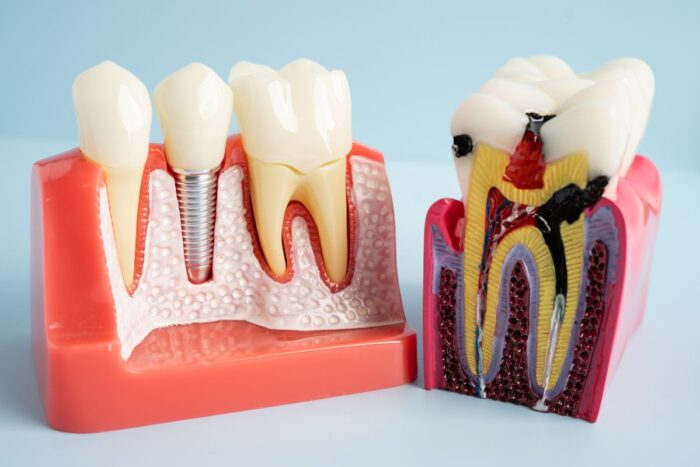
Delaying a root canal can lead to serious consequences for your oral health and overall well-being. If left untreated, a simple tooth infection can spread, causing severe pain and potentially leading to tooth loss.
At Manassas Smiles, we want to help residents in the Manassas area understand the consequences of delaying a root canal and how timely treatment can help prevent further complications. Ignoring the need for a root canal may seem like an easy decision, but the risks can be much more severe in the long run. Don’t wait until it’s too late, schedule your root canal treatment today at Manassas Smiles and take the first step toward preserving your smile.
Why You Should Never Delay a Root Canal?
When a tooth becomes infected or damaged, an RCT is often necessary to save it and prevent further complications. However, many patients delay seeking treatment due to fear, uncertainty, or a desire to avoid dental procedures. While it might seem harmless to put off a root canal, delaying it can have serious consequences for your overall health and well-being.
At Manassas Smiles, we want to ensure our patients understand the potential risks of delaying treatment. Here are several risks of delaying root canal treatment that underscore why timely action is so necessary.
1. Increased Pain and Discomfort
One of the most immediate consequences of delaying a root canal is the increased pain and discomfort. When a tooth becomes infected, the pulp inside the tooth becomes inflamed. Without treatment, the infection can worsen, causing more severe pain. As the disease spreads deeper into the tooth and surrounding tissues, the pain may become unbearable, leading to constant discomfort, especially when chewing or biting down.
2. Spreading Infection
An untreated tooth infection can spread to surrounding tissues, including the gums, jawbone, and even other teeth. The longer the infection is left untreated, the more likely it is to spread, leading to more extensive and complicated procedures. In severe cases, an untreated infection can lead to abscesses, increasing the risk of systemic infection and affecting your overall health.
3. Tooth Loss
Delaying an RCT increases the risk of tooth loss. If the infection is not addressed promptly, the tooth may become irreparably damaged. In some cases, the infection can weaken the tooth to the point where it breaks or falls out on its own. This can be both painful and costly, as tooth loss often requires costly restorative treatments such as implants or bridges to replace the missing tooth.
4. Impact on Surrounding Teeth
When a tooth becomes infected, the surrounding teeth can also be at risk. The infection may spread to neighboring teeth, weakening or infecting them. Delaying a root canal treatment not only affects the infected tooth but may also lead to further dental problems, requiring additional treatments for multiple teeth.
5. Abscess Formation
An untreated infection in a tooth can lead to an abscess, a pus-filled pocket at the root of the tooth. Abscesses are painful and can cause swelling in the face, jaw, or neck. If left untreated, abscesses can lead to more serious complications, including the spread of infection to other parts of the body. An abscess may require additional treatment, such as drainage or surgery.
6. Increased Risk of Bone Loss
Infection in the tooth’s root can extend to the surrounding bone. As the infection spreads, it can cause bone loss in the jaw, weakening the structure that supports your teeth. This can result in a longer recovery time and more extensive procedures, such as bone grafts or implants, to restore the affected area. Preventing bone loss by addressing the infection early with an RCT can save you from these complex and costly treatments.
7. More Extensive and Expensive Treatments
If a root canal is delayed for too long, the treatment required to save the tooth may become more complicated and invasive. In some cases, a tooth that could have been saved with a simple root canal may need to be extracted if the infection worsens. Tooth extraction is followed by more costly and time-consuming procedures, such as dental implants or bridges, to replace the missing tooth. By addressing the issue early, you can avoid the need for these additional treatments.
8. Risk to Overall Health
In rare cases, an untreated RCT infection can enter the bloodstream and spread throughout the body. This condition, known as bacteremia, can lead to severe systemic issues, such as heart infections or other organ complications. While rare, this underscores the importance of treating a dental infection promptly to avoid risks to your overall health.
Key Benefits of Seeking Early Root Canal Treatment
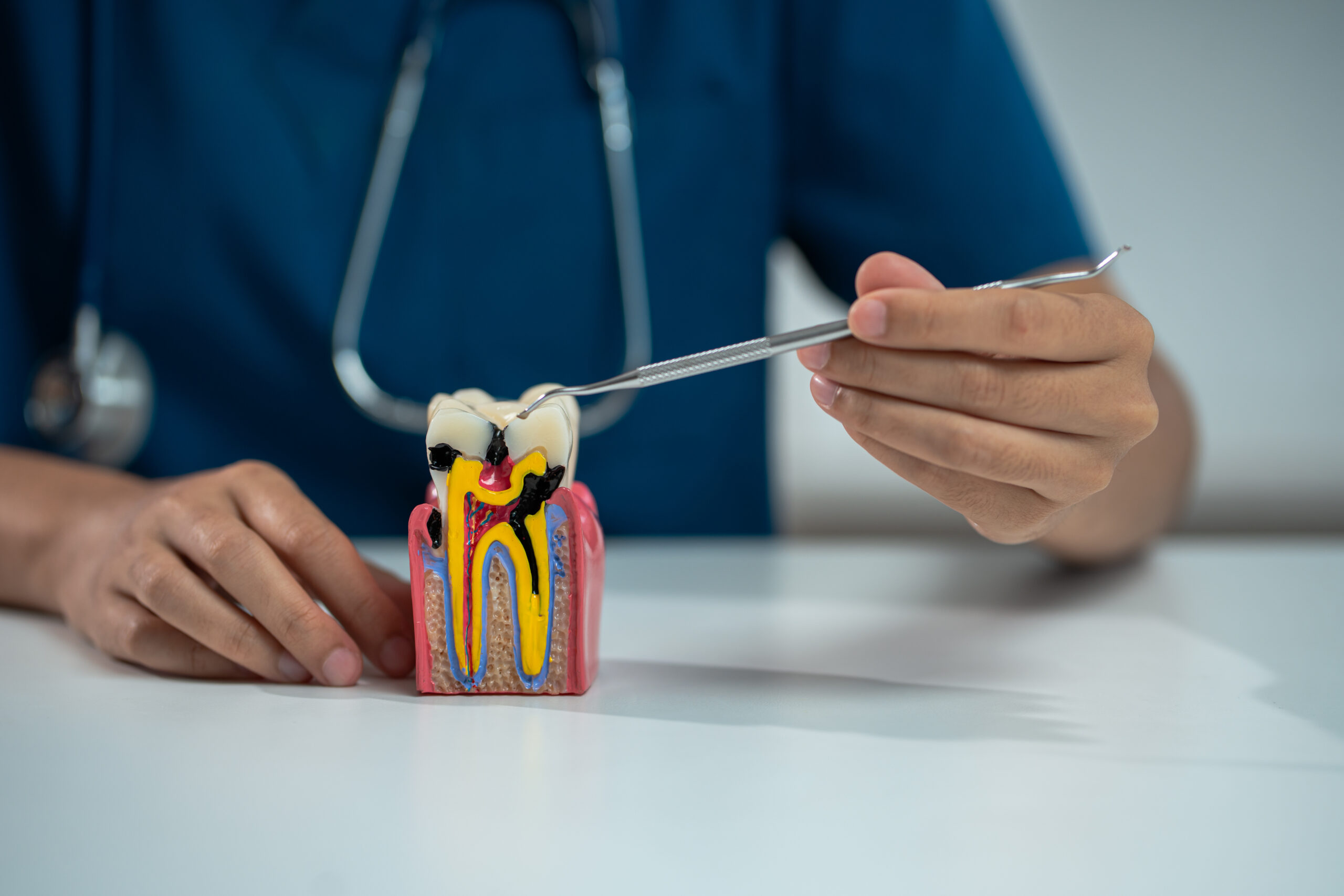
When it comes to dental health, addressing issues promptly can make a significant difference in the long run. Root Canal Treatment (RCT) is often necessary when the tooth pulp becomes infected or inflamed, but delaying the procedure can lead to a variety of complications. Seeking early root canal treatment offers several key benefits, helping preserve your natural tooth, reduce pain, and avoid more complex procedures down the line.
1. Preserve Your Natural Tooth
One of the most important benefits of root canal treatment is the ability to preserve your natural tooth. When treated early, an RCT can save a tooth that might otherwise require extraction. By addressing the infection or damage before it spreads, you can avoid the need for more invasive procedures, such as tooth extractions or implants, keeping your smile intact.
2. Prevent Pain and Discomfort
An RCT helps alleviate intense pain and discomfort caused by an infected tooth. Early intervention prevents the infection from worsening and becoming unbearable. By seeking treatment sooner, you can experience relief from the throbbing pain, sensitivity, and discomfort associated with an infection without enduring prolonged suffering.
3. Avoid Complex and Costly Dental Procedures
Delaying root canal treatment can lead to severe complications, such as the need for tooth extraction or a dental implant. If left untreated, the infection can spread to surrounding tissues and bone, making the tooth more difficult to save. Early treatment minimizes the risk of these complex procedures, ultimately saving you time and money while avoiding the need for more extensive dental work.
4. Prevent the Spread of Infection
An untreated root canal infection can spread to surrounding tissues, including the gums, jawbone, and even other teeth. This can lead to further damage, abscesses, and potentially serious health risks. By addressing the issue early with an RCT, you can prevent the infection from spreading, protect your entire mouth, and minimize the risk of more extensive treatment.
5. Maintain the Functionality of Your Teeth
Delaying an RCT can also affect your tooth’s functionality. As the infection worsens, the tooth may become brittle and more prone to breaking or cracking. Early intervention helps keep your teeth intact, so you can continue using it for chewing and speaking without difficulty.
6. Faster Recovery and Less Discomfort
When performed early, root canal treatment is generally simpler and faster, leading to a quicker recovery. Since the infection hasn’t had time to spread, the procedure is less invasive, and you can expect less post-treatment discomfort. This means you can return to your normal activities sooner with minimal downtime.
Why Timely Root Canal Treatment Matters at Manassas Smiles
At Manassas Smiles, Dr. Hassan and our compassionate team understand that delaying a root canal can lead to unnecessary pain and complications. We believe in the power of timely treatment to help you avoid tooth loss and more complex procedures down the road. Why timely root canal treatment matters is simple: it keeps your smile healthy and pain-free. Don’t wait for the discomfort to worsen. Contact us today to schedule your consultation and let us help you preserve your smile with the care it deserves.
Patient Reviews: Hear From Our Happy Smiles
I had a fantastic experience. From the moment I walked in, the staff was welcoming, professional, and made me feel at ease. The office was clean and well-organized, creating a comfortable atmosphere.
The doctor was thorough, gentle, and took the time to explain everything clearly. They made sure I was comfortable throughout my visit, and I truly appreciate their attention to detail and patient-centered care. The entire team was friendly and efficient, making the whole process smooth and stress-free. – Debora Centellas
Frequently Asked Questions
What Happens If A Root Canal Is Delayed?
Delaying a root canal can cause the infection to spread deeper into the tooth, leading to increased pain and complications. The infection can damage the surrounding bone and tissues, making the procedure more complex and increasing the risk of tooth loss.
Can Delaying A Root Canal Cause Infection?
Yes, delaying a root canal can lead to the spread of infection. An untreated infection can spread to surrounding tissues, potentially causing abscesses and severe pain. This can result in additional dental problems that may require more intensive treatment, such as tooth extraction or surgery.
Is It Safe To Wait Before Getting A Root Canal?
Waiting too long for a root canal can be unsafe. The infection in the tooth can worsen, leading to more severe pain, tooth loss, or the need for complex treatments. Prompt treatment is recommended to prevent further damage and protect your overall oral health.
How Long Can You Wait Before A Root Canal?
It is not recommended to delay seeking a root canal. The infection can worsen over time, leading to more pain and complications. Treatment should be sought as soon as symptoms appear to prevent the disease from spreading and causing additional damage.
What Are The Risks Of An Untreated Tooth Infection?
An untreated tooth infection can lead to severe pain, abscesses, and tooth loss. It may spread to surrounding tissues, including the jawbone, and even enter the bloodstream, leading to more serious health issues. Early intervention with a root canal can prevent these risks and save the tooth.
When Is A Root Canal The Best Option?
A root canal is the best option when the tooth pulp is infected or damaged. If the infection has reached the root of the tooth, causing pain, swelling, or abscesses, a root canal can save the tooth and prevent further damage. It’s the best alternative to tooth extraction when possible.