
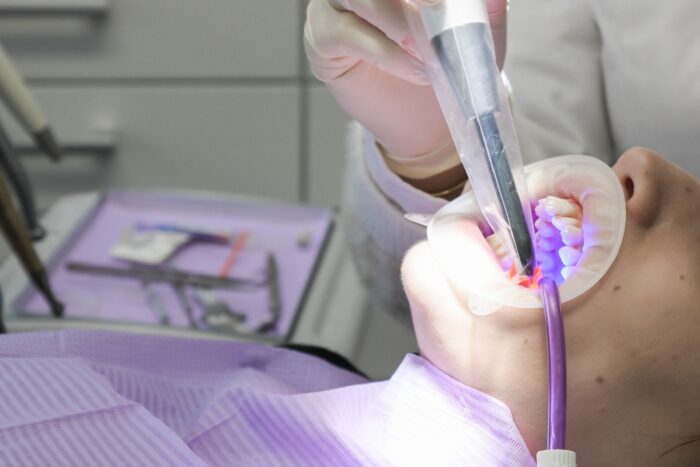
You brush twice a day. You floss well, most days. You avoid chewing ice, and you haven’t had a toothache in years. So, do you really need to visit the dentist every six months? It’s a fair question. And honestly, it’s one that dentists hear all the time.
The truth is, regular dental visits aren’t just about cleaning your teeth. They’re about catching problems before they become painful. Many dental conditions don’t show obvious symptoms until they’ve already progressed. That’s why preventive care remains one of the smartest investments you can make for your smile.
If you’re looking for a dentist in Manassas VA, understanding the value of routine dental visits can help you make informed decisions about your oral health. Let’s look at six reasons why visiting your Dentist every six months is worth putting on your calendar.
6 Main Reasons To Consult With A Dentist Every Six Months
1. Small Dental Problems Are Easier And Less Expensive To Treat
Here’s something many people don’t realize. A cavity doesn’t suddenly appear overnight. It usually starts as a tiny area of weakened enamel. At that stage, you probably won’t feel anything. No pain. No sensitivity. Nothing that tells you something is wrong.
But time changes everything. That tiny cavity can slowly grow deeper into the tooth, eventually reaching the nerve. What could have been treated with a simple filling may now require a crown or even a root canal.
The same idea applies to cracked teeth, worn fillings, and gum disease. When detected early, treatment is often quicker, more comfortable, and significantly less expensive. Routine dental examinations allow your dentist to identify these concerns before they become major issues. Simply put, prevention almost always costs less than repair.
2. Professional Cleanings Remove What Your Toothbrush Can’t
You can have an excellent brushing routine and still miss certain areas. Plaque naturally forms on your teeth every day. If it isn’t removed completely, it hardens into tartar, a rough deposit that brushing and flossing alone can’t eliminate. Once tartar develops, professional dental instruments are needed to remove it safely. Regular professional cleanings help:
- Remove plaque and tartar buildup
- Reduce the risk of cavities
- Lower your chances of developing gum disease
- Freshen your breath
- Polish away many surface stains
Think of it this way: your daily routine maintains your smile, while professional cleanings give it the deep care it needs.
3. Gum Disease Often Develops Without Pain
Many people associate gum disease with loose teeth or severe bleeding. In reality, it usually begins much more quietly. Early signs may include:
- Bleeding while brushing
- Slight gum tenderness
- Persistent bad breath
- Mild gum inflammation
These symptoms are easy to ignore because they don’t always hurt. Unfortunately, untreated gum disease can eventually damage the bone supporting your teeth, increasing the risk of tooth loss. During your six-month visit, your dentist evaluates your gum health, measures pocket depths when necessary, and looks for early warning signs. Catching gum disease early often means simpler treatment and better long-term outcomes.
4. Your Mouth Can Reveal More Than Dental Problems
Your dental appointment isn’t only about teeth. Dentists also examine the soft tissues of your mouth, including your tongue, cheeks, gums, palate, and lips. These examinations help identify unusual changes that could indicate:
- Oral cancer
- Precancerous lesions
- Infections
- Autoimmune conditions
- Nutritional deficiencies
Early detection plays a major role in successful treatment. Most oral cancer screenings take only a few minutes, yet they can provide peace of mind and, in some cases, detect serious conditions before noticeable symptoms appear. It’s one more reason those routine appointments matter.
5. Your Oral Health Changes More Than You Think
Life doesn’t stand still. Neither does your mouth. Stress, medications, aging, pregnancy, medical conditions, dietary changes, and even new exercise habits can influence your oral health. Maybe you’ve started grinding your teeth at night. Perhaps you’re drinking more sports drinks after workouts. Or maybe a medication has left your mouth feeling unusually dry.
Small lifestyle changes can affect your teeth and gums in ways you may not notice right away. Visiting your dentist every six months allows your care to evolve along with your health. Instead of receiving the same recommendations every year, you’ll receive advice that’s personalized to your current needs.
6. Routine Visits Help You Build Better Habits
One of the biggest benefits of seeing your dentist regularly isn’t the cleaning. It’s the conversation. Every appointment gives you an opportunity to ask questions. The question about your brushing technique or sensitive teeth, or address concerns before they become serious.
Maybe your flossing routine needs improvement, or you are curious about whitening, dental implants, or replacing an older filling. These discussions help you make informed decisions instead of waiting until a problem forces you into treatment. Good oral health isn’t built in one appointment. It’s built through consistent habits, reinforced over time.
Why Six Months?
You might wonder why dentists commonly recommend visits every six months instead of once a year. For most healthy patients, six months provides enough time to monitor changes while preventing plaque and tartar buildup from causing long-term damage. However, some people benefit from more frequent visits, including those with:
- Gum disease
- Diabetes
- Dry mouth
- A history of frequent cavities
- Tobacco use
- Certain medical conditions
Your dentist will recommend the schedule that’s right for your individual needs.
What Happens During a Routine Dental Visit?
If it’s been a while since your last appointment, here’s what you can generally expect. A routine visit may include:
- A comprehensive dental examination
- Digital X-rays when appropriate
- Professional teeth cleaning
- Gum health evaluation
- Oral cancer screening
- Review of your medical history
- Personalized oral hygiene recommendations
- Discussion of any treatment needs or cosmetic concerns
Most appointments are straightforward, comfortable, and designed to keep your smile healthy, not simply fix problems.
FAQs
Is visiting the dentist every six months really necessary?
For most patients, yes. Routine dental visits help detect cavities, gum disease, and other oral health concerns before they become more serious. Your dentist may recommend a different schedule based on your individual needs.
What if my teeth don’t hurt?
Many dental problems develop without pain. Cavities, gum disease, and even oral cancer may not cause noticeable symptoms in their early stages. Regular checkups help identify these issues before they worsen.
How long does a routine dental appointment take?
Most routine dental visits, including a professional cleaning and examination, take between 45 and 60 minutes.
Can professional cleanings damage my teeth?
No. Professional dental cleanings safely remove plaque and tartar without harming healthy enamel when performed by trained dental professionals.
How can I maintain healthy teeth between visits?
Brush twice daily with fluoride toothpaste, floss every day, limit sugary snacks and drinks, stay hydrated, and follow your dentist’s recommendations for home care.
Healthy smiles don’t happen by accident; they’re built through consistent care and regular preventive visits. Whether you’re due for a routine checkup, have questions about your oral health, or simply want a dental team you can trust, Manassas Smiles is here to help. Schedule your appointment today and discover how preventive dental care can keep your smile healthy for years to come.