
Dental pain can stop you in your tracks. If you are dealing with deep tooth pain or infection, root canal therapy in Manassas may sound intimidating at first. However, modern dentistry has transformed this procedure into a safe, effective, and tooth-saving solution. In fact, a root canal often relieves pain rather than causing it and helps protect your natural smile for years to come.
In this blog, we will explain the three key reasons root canals are worth it, clear up common myths, and help you understand why timely care matters. Whether you live, work, or go to school in Manassas, this guide will help you make confident and informed decisions about your oral health.
Understanding Root Canal Therapy
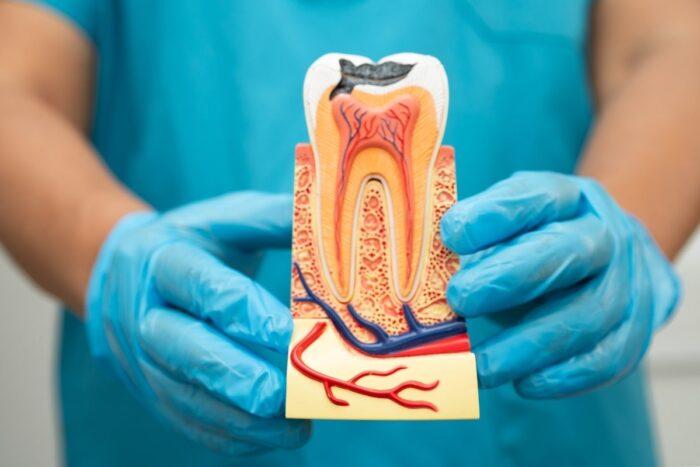
Before discussing the benefits, it helps to know what a root canal involves. Inside every tooth is a soft tissue called pulp, which contains nerves and blood vessels. When decay, cracks, or trauma allow bacteria to reach this pulp, infection and pain can develop.
During root canal therapy, the dentist carefully removes the infected pulp, cleans the inside of the tooth, and seals it to prevent future infection. A crown often protects the tooth afterward, restoring its strength and appearance.
Thanks to modern tools and techniques, this treatment is now comfortable, precise, and highly successful.
1: Root Canals Relieve Pain, Not Cause It
Many people delay treatment because they believe root canals are painful. In reality, the infection causes the pain, not the procedure.
How Root Canals Stop Tooth Pain
When bacteria reach the inner part of your tooth, pressure builds up and irritates the nerves. This leads to symptoms such as:
- Sharp or throbbing toothaches
- Sensitivity to heat or cold
- Pain when chewing or biting
- Swelling near the affected tooth
Root canal treatment removes the infected tissue that triggers these symptoms. As a result, patients often feel relief shortly after the procedure.
Modern Comfort Makes a Big Difference
Dentists today use advanced anesthesia and gentle techniques to ensure comfort. Many patients say a root canal feels similar to getting a filling. If you have been avoiding treatment due to fear, rest assured that root canal therapy focuses on comfort and efficiency.
2: Root Canals Save Your Natural Tooth
Saving your natural tooth should always be the first goal in dentistry. Root canals allow that to happen.
Why Keeping Your Tooth Matters
Your natural teeth help you chew properly, speak clearly, and maintain jaw alignment. When a tooth is removed, nearby teeth may shift, leading to bite problems and future dental issues.
Root canals preserve the structure of your tooth while eliminating infection. This approach offers several advantages:
- Maintains natural chewing ability
- Prevents neighboring teeth from shifting
- Preserves jawbone health
- Avoids the need for more complex treatments
Just after this section, it is important to note that many patients in Manassas trust a cosmetic dentist to not only restore function but also enhance appearance after root canal care. A well-designed crown can blend seamlessly with your natural smile.
Root Canal vs. Tooth Extraction
Some people think extraction is easier or cheaper. However, replacing a missing tooth often requires implants or bridges, which involve more time and cost. Root canal treatment usually proves more cost-effective in the long run while keeping your smile intact.
3: Root Canals Protect Your Overall Oral Health
Untreated dental infections do not stay contained forever. Over time, they can spread and cause serious problems.
Preventing Serious Complications
If an infected tooth goes untreated, bacteria can spread to:
- The surrounding gums and bone
- Other teeth
- The jaw or face
- In rare cases, the bloodstream
Root canal therapy stops the infection at its source. By addressing the problem early, you protect not only your teeth but also your overall health.
Supporting Long-Term Dental Stability
A treated and restored tooth can last a lifetime with proper care. Brushing, flossing, and regular checkups with a dentist in Manassas help ensure long-term success. Root canals therefore serve as a proactive step toward lasting oral health.
What to Expect During Root Canal Therapy
Understanding the process can reduce anxiety and help you feel prepared.
Step-by-Step Overview
- Examination and imaging: The dentist examines the tooth and takes X-rays
- Numbing the area: Local anesthesia ensures comfort
- Cleaning the tooth: Infected pulp is removed, and the inside is disinfected
- Sealing the tooth: The tooth is filled and sealed to prevent reinfection
- Final restoration: A crown strengthens and protects the tooth
The procedure usually takes one or two visits, depending on the severity of the infection.
Signs You May Need a Root Canal
Not all dental pain means you need a root canal, but certain symptoms should not be ignored:
- Persistent toothache
- Sensitivity that lingers
- Darkening of a tooth
- Swollen or tender gums
- A small bump on the gums
If you notice these signs, early evaluation makes treatment easier and more effective.
Root Canal Myths vs. Facts
Myth: Root canals are extremely painful
Fact: They relieve pain caused by infection
Myth: It is better to pull the tooth
Fact: Saving the natural tooth is usually best
Myth: Root canals do not last
Fact: With proper care, treated teeth can last decades
Understanding these facts can help you approach treatment with confidence.
Conclusion: A Smart Investment in Your Smile
Root canals offer relief, preservation, and protection. They stop pain, save your natural tooth, and prevent serious dental complications. When performed with modern techniques, root canal therapy is a reliable and worthwhile solution for infected teeth.
If you are experiencing tooth pain or suspect an infection, do not wait. Visit our dental office at Manassas Smiles to receive personalized, compassionate care. Schedule your appointment today and take the first step toward a healthier, pain-free smile.
Frequently Asked Questions (FAQs)
1. Is root canal therapy painful?
No, the procedure itself is not painful. Dentists use local anesthesia to keep you comfortable, and most patients feel relief after treatment.
2. How long does a root canal-treated tooth last?
With good oral hygiene and regular dental visits, a treated tooth can last a lifetime.
3. How do I know if I need a root canal?
Common signs include persistent pain, sensitivity, swelling, or tooth discoloration. A dental exam will confirm whether treatment is needed.
4. Is root canal therapy better than extraction?
In most cases, yes. Saving your natural teeth helps maintain proper bite alignment and avoids more complex replacement treatments.
5. When can I return to normal activities after a root canal?
Most patients return to their daily activities the same or next day. Mild soreness may occur but usually fades quickly.
6. How soon should I see a dentist for tooth pain?
You should schedule a visit as soon as pain appears. Early care improves outcomes and may prevent further damage.